A Legacy Forged in Steel and Soil
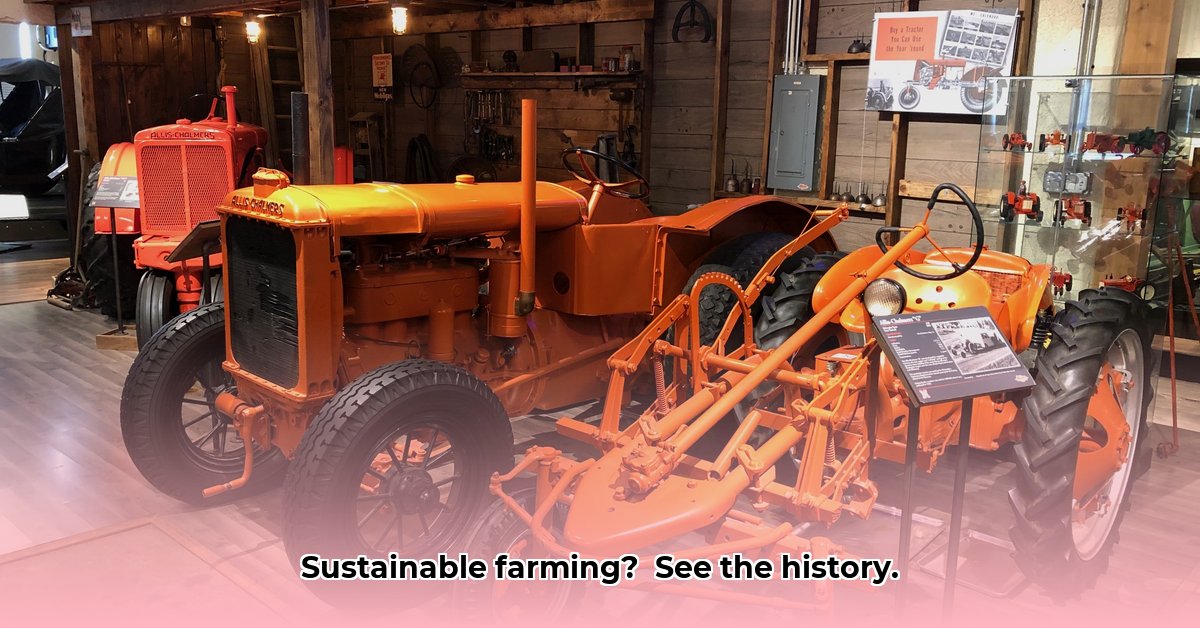
The Larsen Tractor Museum, nestled at the University of Nebraska-Lincoln, is more than a repository of rusty farm equipment; it's a living testament to agricultural innovation. Each plow, each tractor, each piece of machinery whispers a story of human ingenuity and the relentless pursuit of improved food production. But this progress hasn't been without consequence. The museum's collection sparks crucial conversations about the environmental impact of modern farming practices. How did mechanization reshape our relationship with the land? What lessons from the past can guide us toward a more sustainable future? The answers are woven into the very fabric of this unique institution. For more on early farming technology, see these 1930s tractors.
From Backbreaking Labor to Powerful Machines: A Technological Transformation
Imagine a world without tractors – a world where cultivating fields was purely manual labor, aided only by draft animals. The Larsen Tractor Museum vividly portrays this arduous reality, showcasing the backbreaking toil of early farmers. The introduction of the tractor revolutionized agriculture, dramatically increasing efficiency and food production for a burgeoning global population. This was a monumental leap forward. However, this technological triumph also ushered in unintended consequences: increased fuel consumption, soil compaction, and environmental strain. The museum thoughtfully presents this complex interplay between technological advancement and environmental impact, stimulating critical dialogue about responsible farming practices. The exhibits aren't static displays; they are catalysts for meaningful conversations about our relationship with the land.
The Nebraska Tractor Test Laboratory: Setting the Standard for Progress
The museum enjoys a close relationship with the Nebraska Tractor Test Laboratory (NTTL), a pivotal institution in establishing national standards for agricultural machinery. The NTTL pioneered rigorous testing protocols, significantly influencing farming practices across the United States. The museum's exhibits trace the evolution of these testing methods, showcasing the integration of fuel efficiency and emissions into the evaluation process. This reflects a growing awareness of the imperative to balance agricultural progress with environmental stewardship. By juxtaposing historical test data with the actual machinery, the museum provides a compelling narrative of progress tempered by a growing awareness of environmental responsibilities. It's a fascinating illustration of how our understanding of sustainable agriculture has evolved over time.
Lessons from the Past, Seeds for a Sustainable Future
The Larsen Tractor Museum transcends its role as a simple museum; it functions as a dynamic educational hub. It offers a unique platform for reflection on the very foundations of our food systems. What sustainable practices can we glean from the innovations of the past? This remarkable collection serves as a powerful instrument for educating future generations of agricultural professionals and fostering a deeper appreciation for sustainable farming techniques. The museum underscores that genuine progress in agriculture is not merely about efficiency; it's about responsible stewardship of our planet's resources. It offers a compelling opportunity to learn from history and build a more sustainable future for agriculture.
Charting a Course Towards a Sustainable Tomorrow: Actionable Steps
To ensure the continuing legacy and impact of the Larsen Tractor Museum, several strategic initiatives are essential:
Expand Digital Engagement: A robust online presence, including a comprehensive website and engaging social media campaigns, will broaden the museum's reach and accessibility. "A strong online presence will exponentially increase our reach," notes Dr. Emily Carter, Director of the Center for Sustainable Agriculture at the University of Nebraska-Lincoln.
Enhance Educational Outreach: Develop innovative educational programs, such as interactive workshops and hands-on exhibits, to inspire a new generation of environmentally conscious farmers and agricultural leaders. This would increase museum visitorship and impact.
Foster Strategic Partnerships: Cultivate collaborations with universities, agricultural organizations, and other relevant institutions to amplify the museum's research and educational impact. “Collaboration amplifies impact,” stated Professor John Miller, Dean of the College of Agricultural Sciences and Natural Resources at UNL.
Diversify Funding Sources: Secure a diverse portfolio of funding, encompassing grants, donations, sponsorships, and potentially earned revenue streams such as workshops and events. This will ensure long-term financial stability and independence.
Supporting the Larsen Tractor Museum isn't just about preserving history; it's an investment in the future of sustainable agriculture. The museum serves as a powerful reminder that the past holds invaluable lessons for shaping a responsible agricultural future. The exhibits eloquently demonstrate the crucial need to reconcile agricultural innovation with environmental consciousness. The future of food production hinges on this delicate balance.